Diwali week produces a reliable spike in electrical call-outs, and the causes are strikingly consistent year to year. It is almost never the lights themselves that fail — it is how they are powered, where they are used, and how people get to the places they are hung.
None of this requires giving up decoration. It requires about twenty minutes of thought before the first set goes up.
Work out the load before you plug anything in
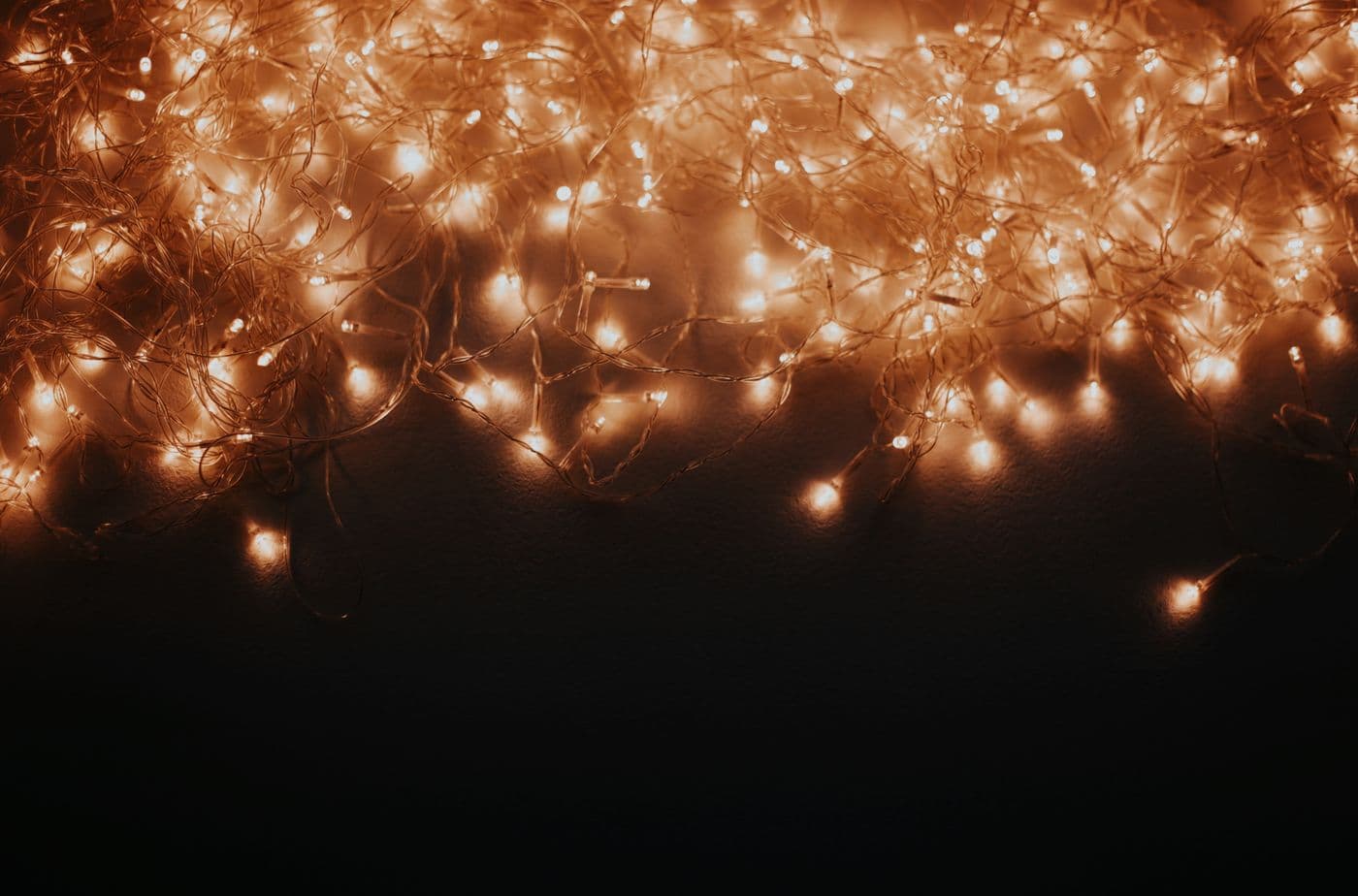
A single string is negligible. A whole facade of jhalar, plus motifs, plus a rope-light outline, plus a few floodlights on the terrace, is a real load — and it is often all connected back to one bedroom socket through a chain of extension boards.
Add up the wattage on the packaging of every set you plan to run and check it against what a single point can reasonably supply. If the total is substantial, split it across more than one circuit rather than pushing it all through one adaptor.
Never daisy-chain extension boards
One extension plugged into another is the arrangement behind a large share of festive incidents. Each connection adds resistance and heat, and the whole stack usually sits on a circuit never sized for it.
Outdoor means outdoor-rated
Indoor string lights used on a balcony or terrace are the second recurring cause. Even under cover, humidity and blown rain will reach joints that were never designed to keep water out — and by late October in Surat there is still plenty of moisture in the air.
Check that the set is marked for outdoor use, that every connector between sets is sealed rather than merely pushed together, and that any adaptor or driver sits somewhere dry and off the floor. Water pools on balconies and terraces in ways people do not anticipate.
- Sets marked for outdoor use, not indoor sets pressed into service
- Sealed connectors at every joint between sets
- Adaptors and drivers kept dry and above floor level
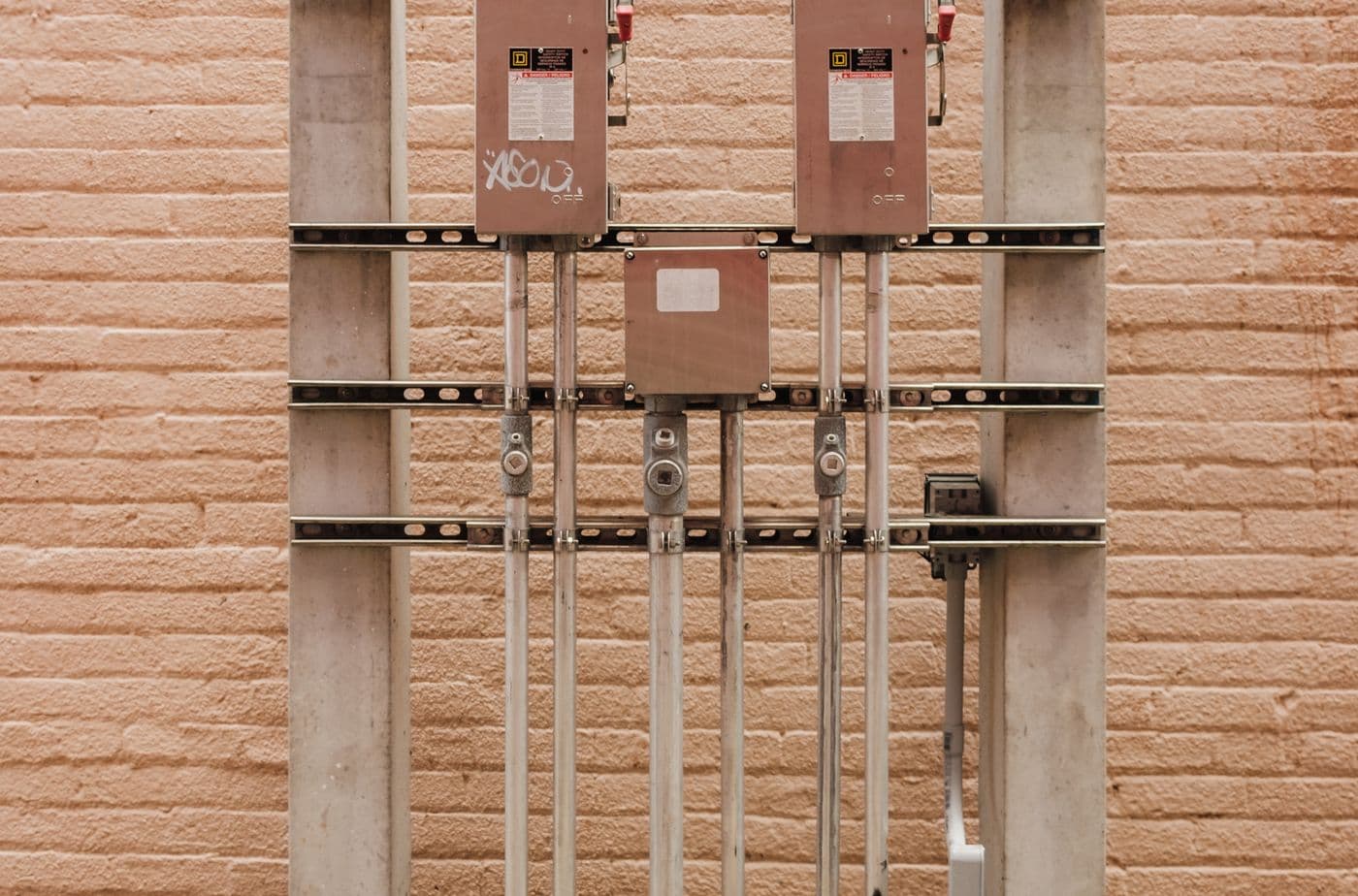
- Supply taken from a point with RCCB protection
- Nothing running across a walkway where it can be trodden on or pinched in a door
The ladder is more dangerous than the electricity
Most festive lighting injuries are falls. Standing on a plastic chair to reach a balcony parapet, leaning out over a railing to fix a run along the elevation, or working from a ladder on an uneven surface — these cause more harm each year than shocks do.
If a stretch of the elevation cannot be reached safely, it is genuinely better to leave it undecorated. A shorter run that looks considered beats a long one nobody can reach to fix when a section fails on the night.
Keep well clear of service lines
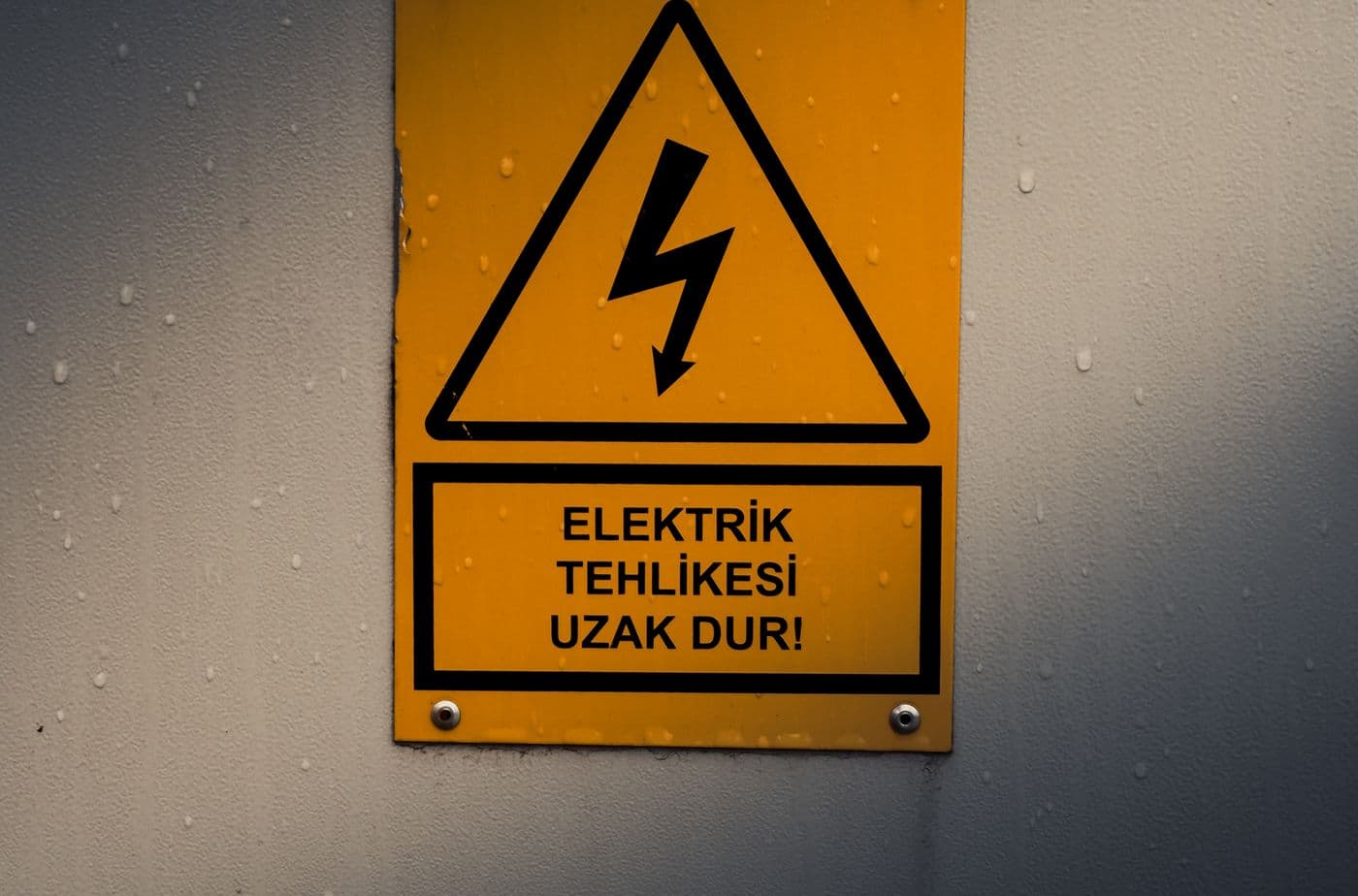
This one is short and absolute. Overhead service cables, pole-mounted connections and the drop into a building are not things to work near while holding a metal rod or a wet string of lights. Keep a substantial distance, and if the safe route is not obvious, choose a different route.
Check sets before you hang them
Lights that spent the year in a box in a store room deteriorate. Insulation hardens, connectors corrode, and rodents find them. It is worth ten minutes with each set laid out on the floor before anything goes up.
- 1Unroll the set fully and look along its whole length for damaged insulation
- 2Check the plug and every inter-set connector for corrosion or cracks
- 3Plug it in and confirm the whole run lights before it goes up, not after
- 4Replace any set with damaged cable — do not repair it with tape
- 5Coil sets without kinks when storing, and keep them somewhere dry
Diyas, candles and lights together
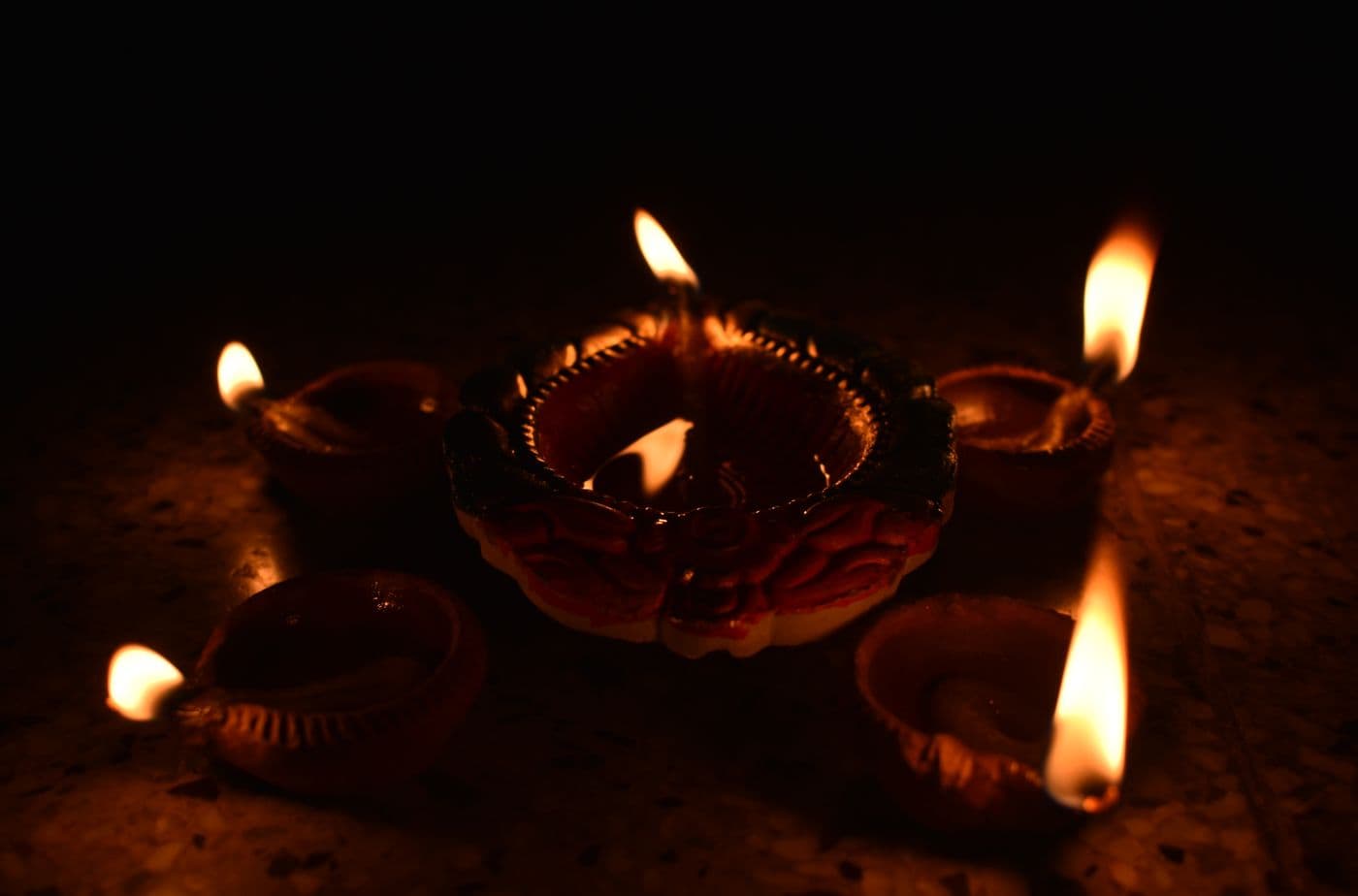
Worth a specific mention because the combination is so common. Keep string lights, cables and adaptors well clear of diyas and candles, and be particularly careful with fabric decorations near either. Rangoli placement and light runs should not intersect.
The other habit worth adopting: switch decorative lighting off overnight and when the house is empty. A timer or smart plug does it without anyone remembering, and unattended decorative lighting is exactly the scenario where a small fault becomes a serious one.
After the festival
Take runs down before the weather gets to them. Sets left up through the following monsoon come out of the next box corroded and unsafe, and taking them down properly — coiled, dry, undamaged — roughly doubles how many seasons they last.
Safety first
If a festive run trips your board, do not simply reset and carry on. Something in that run is faulted, and it is hanging outside your home for the next week.
Related service
Jhalar Installation
Jhalar and festive lighting installed safely across Surat — properly fed, properly fixed, taken down afterwards.
Quick answers
Can I use indoor fairy lights on my balcony for Diwali?
It is not advisable. Indoor sets are not sealed against moisture, and humidity or blown rain will reach connectors that were never designed to exclude water. Use outdoor-rated sets outside.
How much festive lighting can one socket run?
It depends on the point and the circuit behind it. Add up the wattage of every set before connecting anything, and split a large display across more than one circuit rather than through a chain of extension boards.