There is a lot of energy-saving advice that focuses on things which barely register on a bill — unplugging phone chargers, for instance. Meanwhile the appliances that dominate a household's consumption often go unexamined.
It is worth being clear about proportions first, because they determine where effort is repaid. In a typical Surat home with air conditioning, cooling is the largest single item by a wide margin, water heating is second, and everything else competes for what remains.
Air conditioning: the number that matters most
If you run air conditioning, it likely accounts for more than half your summer bill. Which means a ten per cent improvement here is worth more than eliminating every standby load in the house.
The setpoint
Each degree lower costs meaningfully more energy, because the compressor runs longer to hold it. Moving from 22°C to 25°C typically cuts consumption noticeably, and with a fan running the room feels similar. This is the single highest-value change available to most households.
Fan plus AC, not AC alone
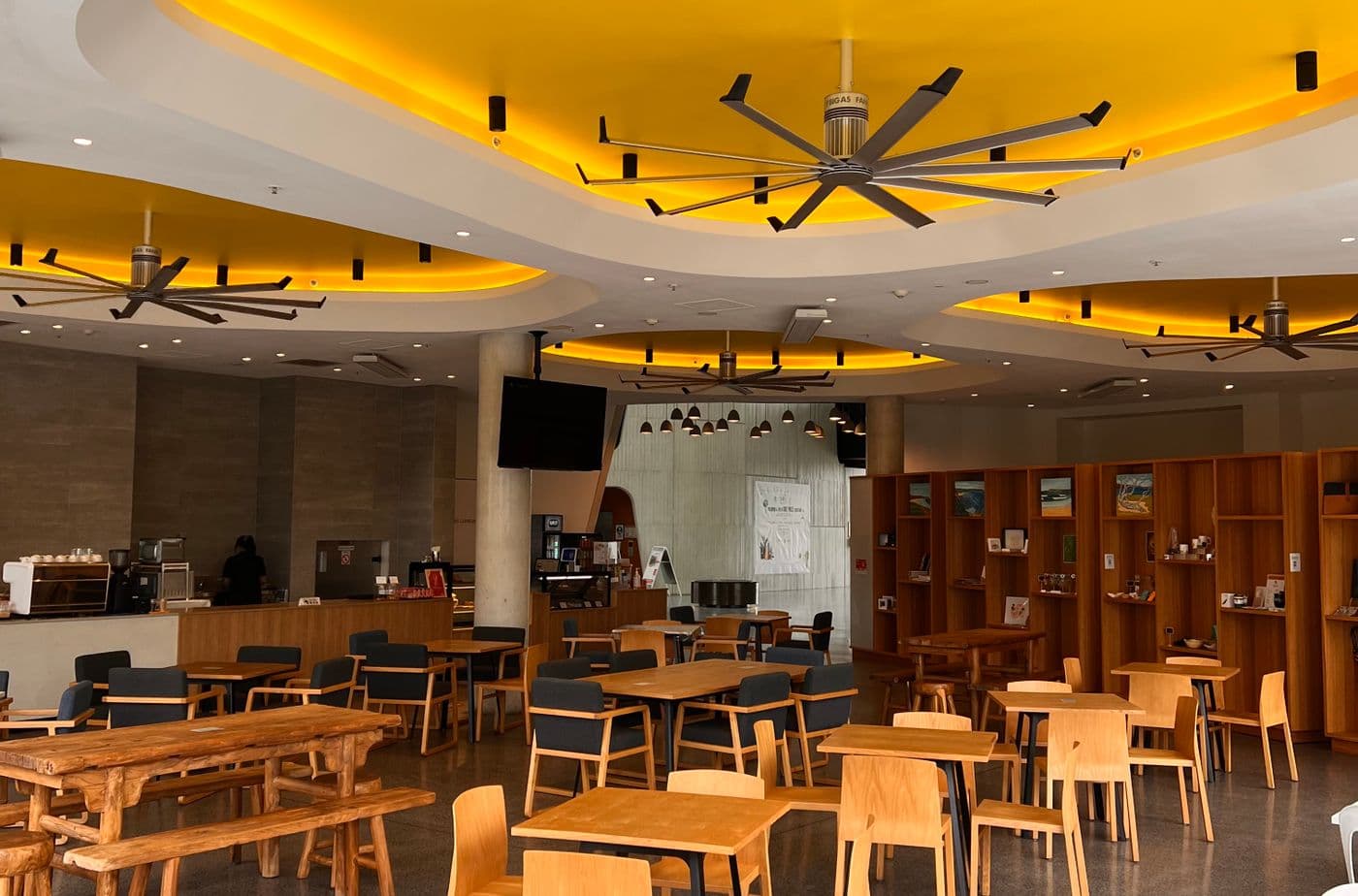
A ceiling fan running alongside the air conditioner lets you raise the setpoint by two or three degrees for the same comfort. The fan uses a small fraction of what the compressor does, so the trade is heavily in your favour.
Filters and servicing
A clogged filter makes the unit work harder for less cooling. Cleaning filters monthly through the season, and having the unit serviced annually, keeps consumption where it should be. Neglected units drift upward in consumption gradually enough that nobody notices.
Water heating: the quiet second
A storage geyser left switched on all day reheats its tank repeatedly to replace heat lost through the insulation. In most households this is entirely wasted, because the water is only wanted for a short period each morning.
- Switch the geyser on twenty to thirty minutes before you need it, not all day
- A timer or smart switch removes the need to remember
- Set the thermostat to a usable temperature rather than the maximum
- Have the element and thermostat checked if heating times have got longer — scale build-up wastes a great deal
Surat's water is hard enough that scale on a geyser element is a real factor. An element coated in scale transfers heat poorly, runs longer to reach temperature, and eventually fails.
Lighting: worth doing, modest in effect
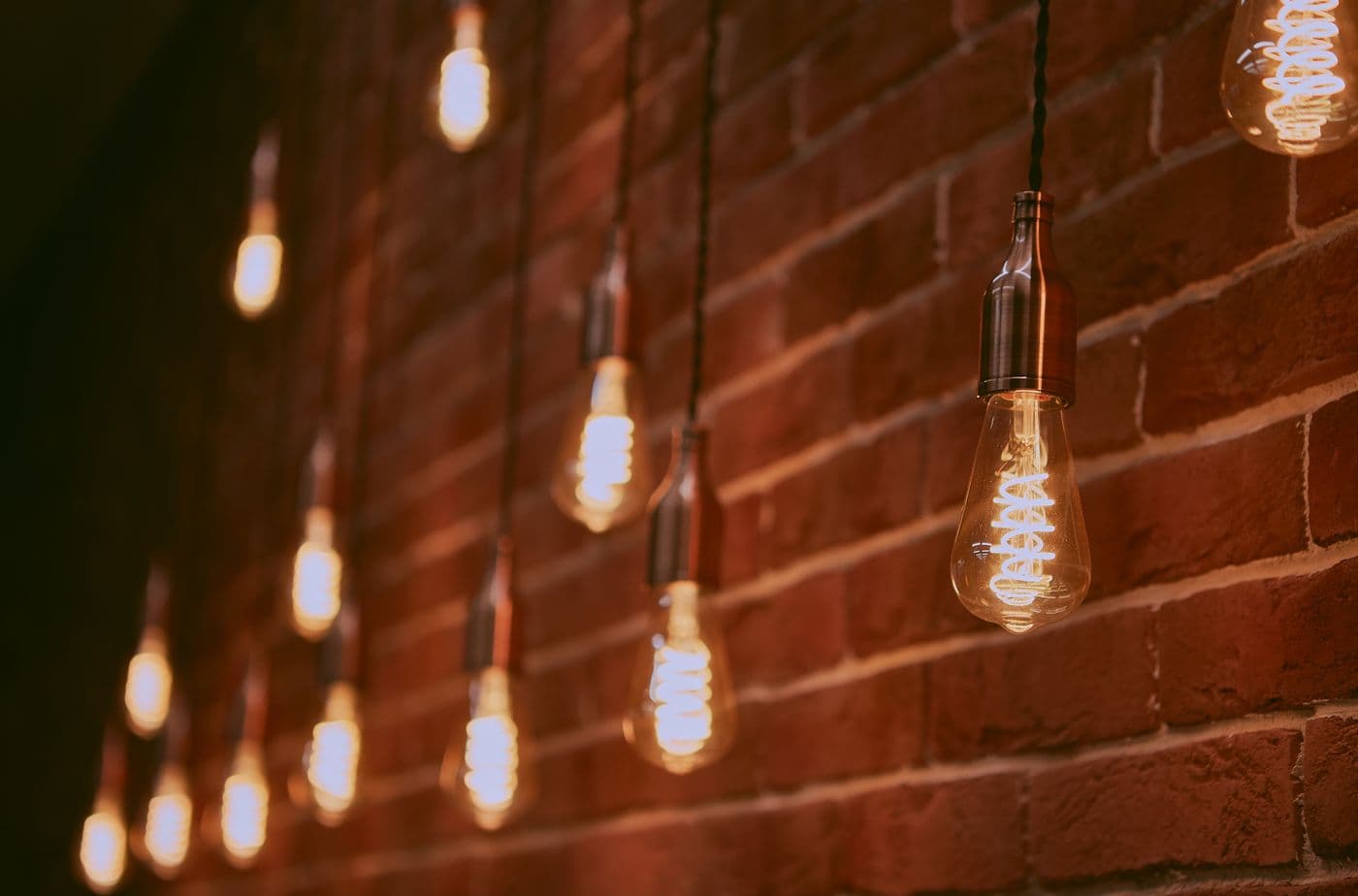
Converting a house to LED is genuinely worthwhile — an LED uses around a fifth of an equivalent incandescent and well under half of a tube light with its choke. But lighting is typically a smaller share of a household bill than people assume, so the saving is real rather than transformative.
Where LED conversion pays off best is in fittings that run many hours a day: passage and stairwell lights, kitchen lighting, outdoor and security lighting, and shop or office installations where lights are on twelve hours at a stretch.
Fans: efficiency has genuinely improved
An older induction fan running on a resistive regulator consumes considerably more than a modern BLDC fan doing the same work — and the old resistive regulator itself dissipates energy as heat at lower speeds, which is why those regulators get warm.
For a fan that runs most of the day through a long Surat summer, the replacement arithmetic is favourable. For a fan in a guest room used twice a year, it is not. Judge it by hours of use rather than by age.
Standby load: small but genuinely free to fix
Set-top boxes, televisions, desktop computers, printers, microwave clocks and inverters all draw a little continuously. Individually it is trivial; collectively, across a house, it runs continuously for 8,760 hours a year and it adds up to something real.
The practical approach is a switched socket on the entertainment cluster and one on the desk setup, turned off at night. Do not chase individual chargers — the effort is not repaid.
The wiring itself can cost you money
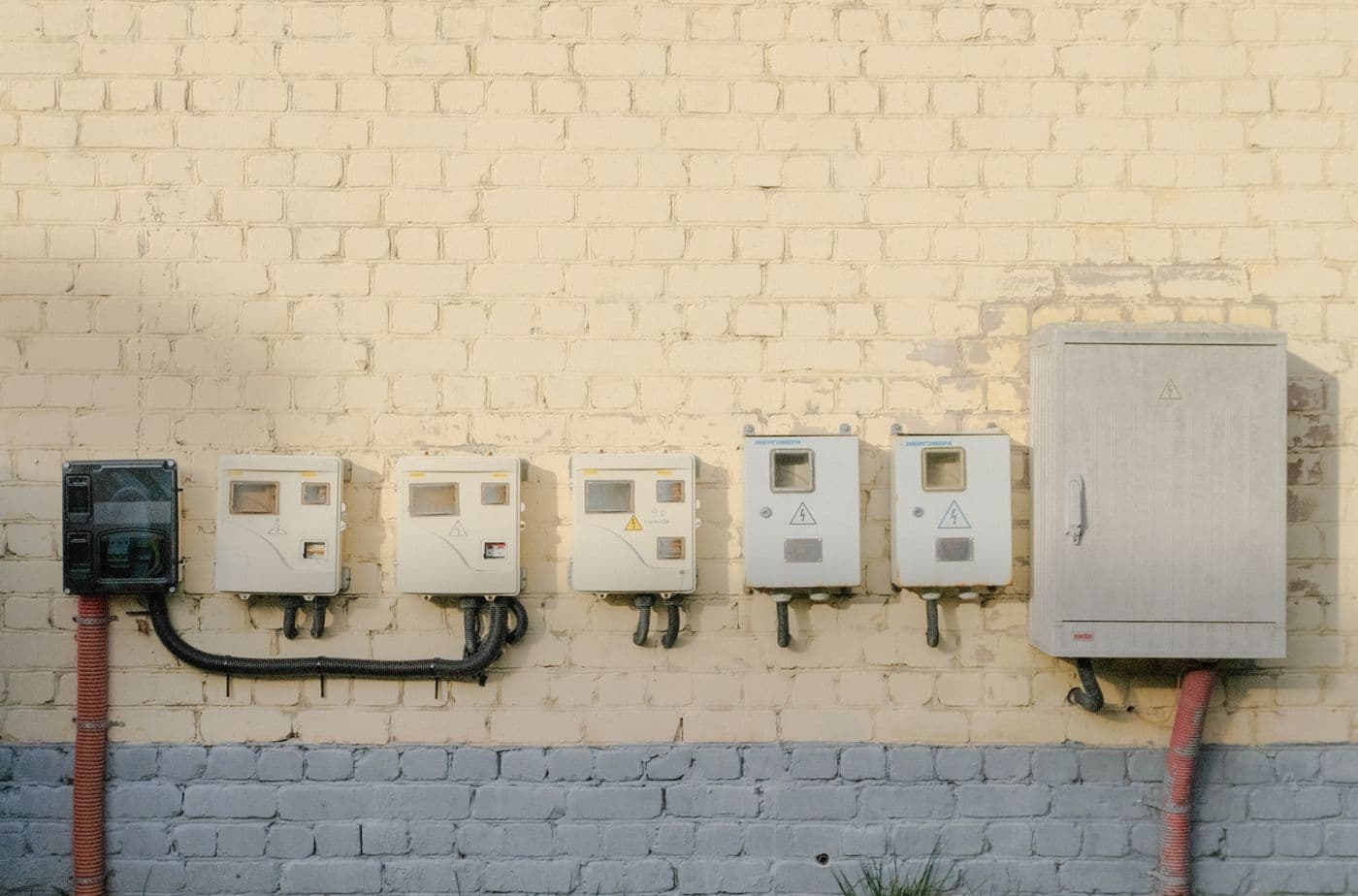
This is the part people rarely consider. Poor connections have resistance, resistance dissipates energy as heat, and that heat is electricity you paid for and did not use. It is also, separately, a fire risk.
Undersized cable on a long run does the same thing. So does a badly balanced three-phase supply in a property that has one. None of these will halve your bill, but they are worth attention because the same maintenance that recovers the waste also removes a hazard.
Where to start
- 1Raise the AC setpoint by two or three degrees and run a fan alongside
- 2Put the geyser on a timer instead of leaving it switched on
- 3Clean AC filters monthly through the season
- 4Convert high-usage lighting to LED, starting with passages and kitchens
- 5Switch off entertainment and desk clusters at the socket overnight
- 6Have the board and terminations checked if anything runs warm
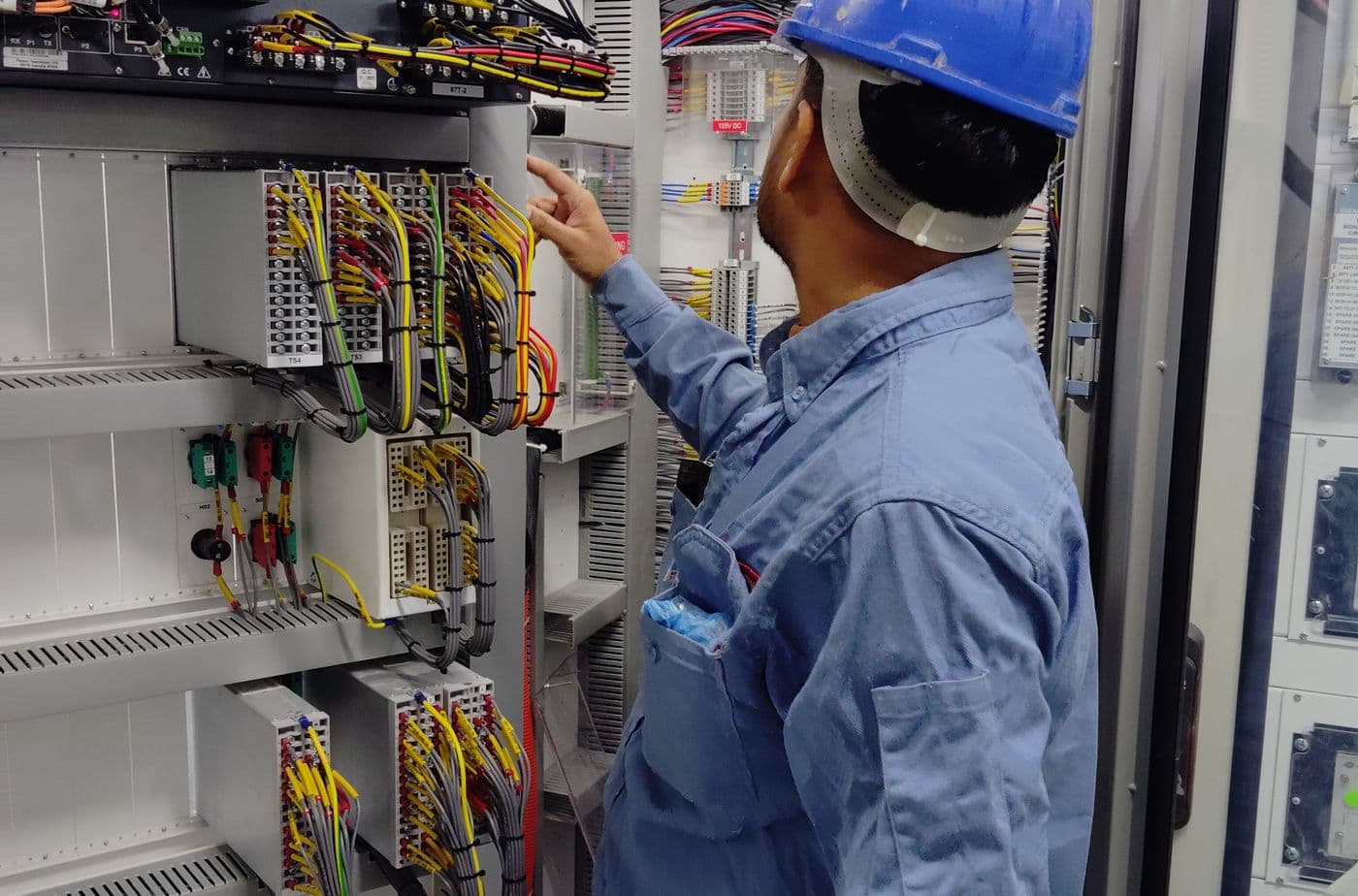
Related service
Electrical Maintenance
Board checks, connection tightening and load assessment — the maintenance that recovers waste and removes hazards.
Quick answers
Does switching to LED really lower the bill?
Yes, but proportionally. Lighting is usually a modest share of a household bill, so expect a real saving rather than a dramatic one — unless you had a lot of old fittings running long hours.
Should I leave my geyser on all day?
No. A storage geyser left on reheats its tank repeatedly to replace standing heat loss. Switching it on twenty to thirty minutes before use, ideally via a timer, saves a meaningful amount.