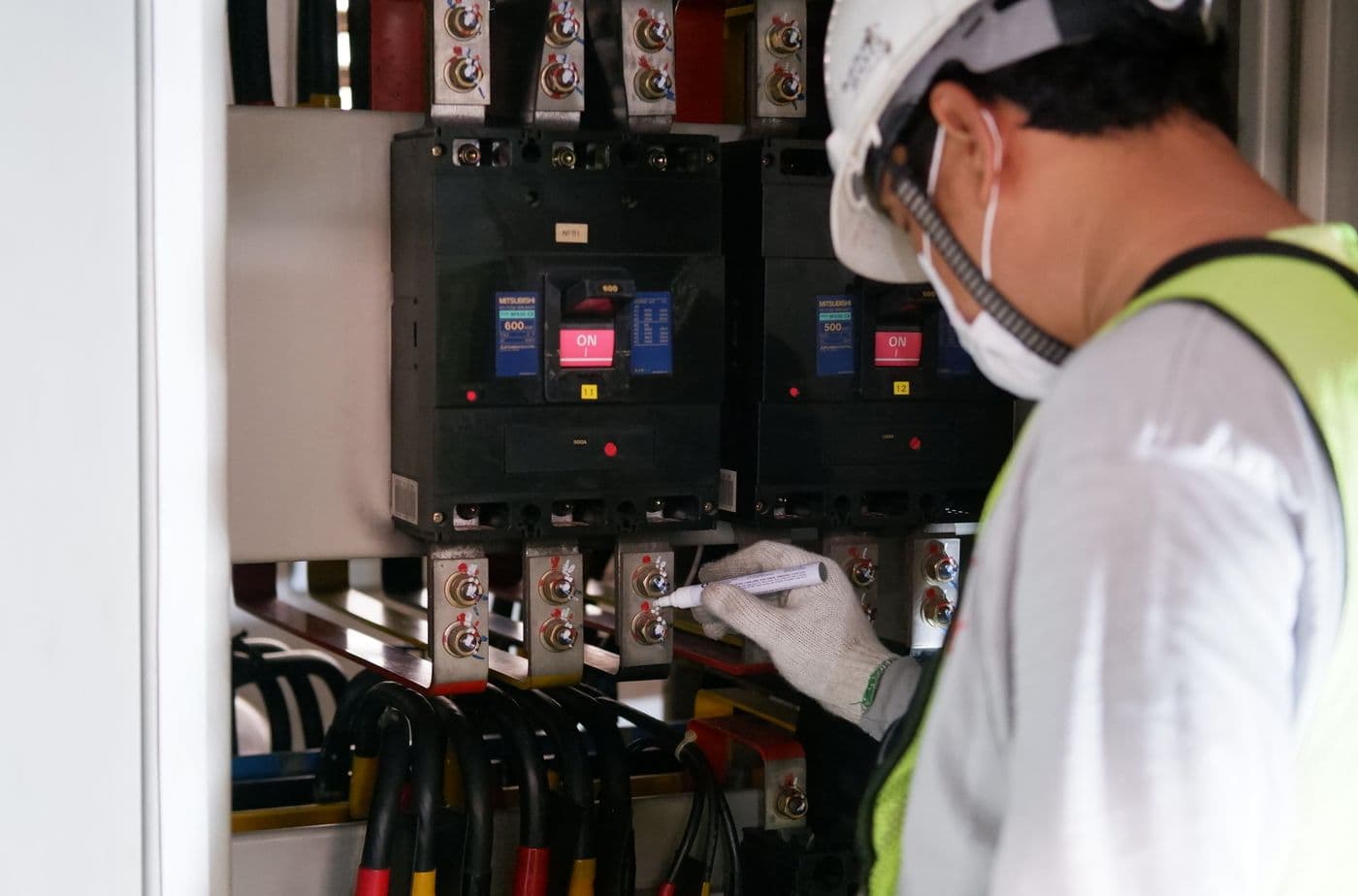
Electrical Safety Inspection
A structured inspection of your wiring, board and earthing with a plain-language report on what is safe and what needs work.
View ServiceScheduled checks that prevent emergency calls
Planned maintenance visits for homes, shops and offices — connections tightened, boards checked, faults caught before they fail.
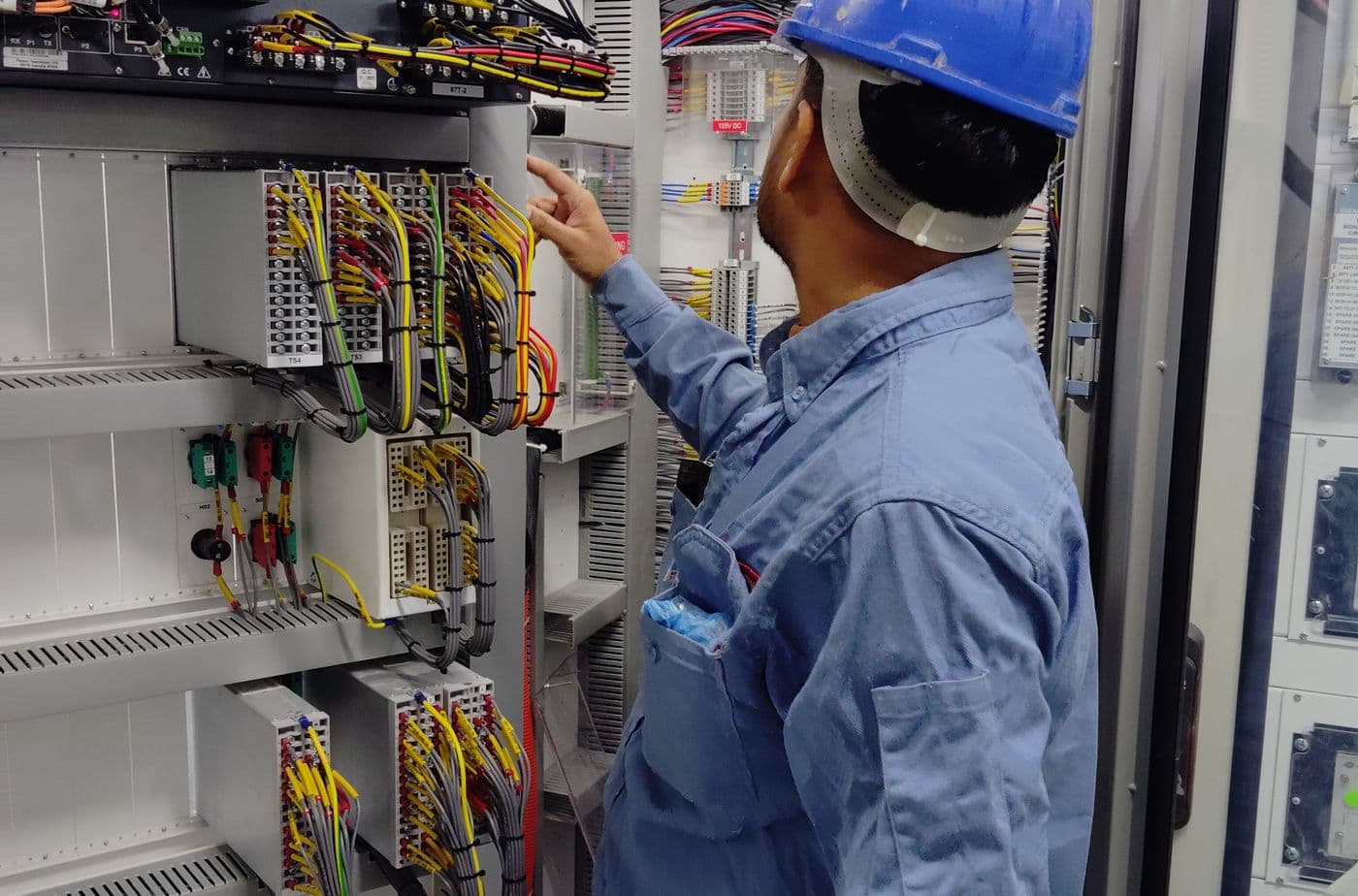
Nearly every emergency call we attend had warning signs weeks earlier — a breaker that tripped occasionally, a socket that ran warm, a light that flickered when the AC started. A maintenance visit is simply the habit of catching those before they become a failure on a Sunday night.
Every time a circuit carries load it warms; when the load drops it cools. Copper expands and contracts through that cycle, and over years a terminal that was tight when installed works loose. A loose terminal has resistance, resistance makes heat, and heat accelerates the whole process.
That is why the single most valuable thing in a maintenance visit is unglamorous: opening the board and checking every termination. It takes an hour and it prevents the overheating faults that cause most domestic electrical fires.
Press the test button on your RCCB every few months. If it does not trip instantly, the device protecting your family from earth leakage is not working — get it replaced.
Shops and offices run their installations far harder than homes do: longer hours, more fixed load, and often equipment that cannot simply be switched off for a repair. Downtime is the real cost, which makes planned maintenance an easier decision.
We schedule commercial visits outside trading hours where that suits, and we work from a fixed checklist so you get the same standard of check every time and a record you can keep.
For an average Surat apartment, one thorough visit a year is enough — ideally before the monsoon, since damp is what turns a marginal fault into a tripping one. Older installations, or homes with a lot of added load, benefit from a check every six months.
Between visits, the useful habits are simple: test the RCCB, notice anything that runs warm, and do not ignore a breaker that trips more than once.
Questions
Once a year for most flats, ideally before the monsoon. Older wiring or a property with a lot of added load is better checked every six months.
Yes. We agree a checklist and a schedule, work around your hours where needed, and provide a written report after each visit.
Small things — a loose terminal, a worn socket — we fix on the spot and tell you. Larger work is quoted separately so you decide before anything is done.
What was tested, what was found, what was fixed during the visit, and anything we recommend attending to, with a note on urgency.
Related work
A structured inspection of your wiring, board and earthing with a plain-language report on what is safe and what needs work.
View Service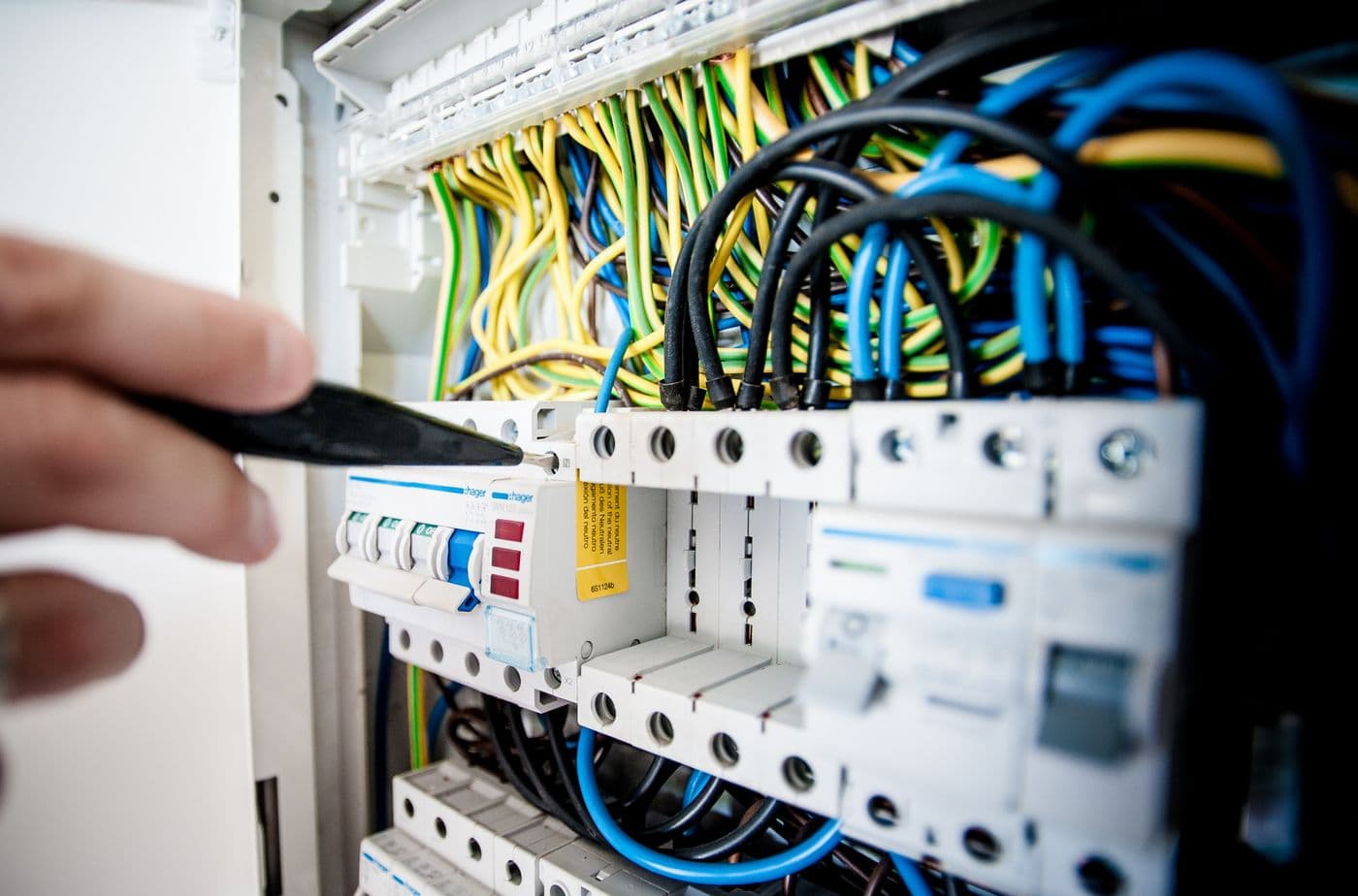
MCB, RCCB and distribution board faults traced to the actual cause — overload, earth leakage, a failed breaker or a damaged circuit.
View Service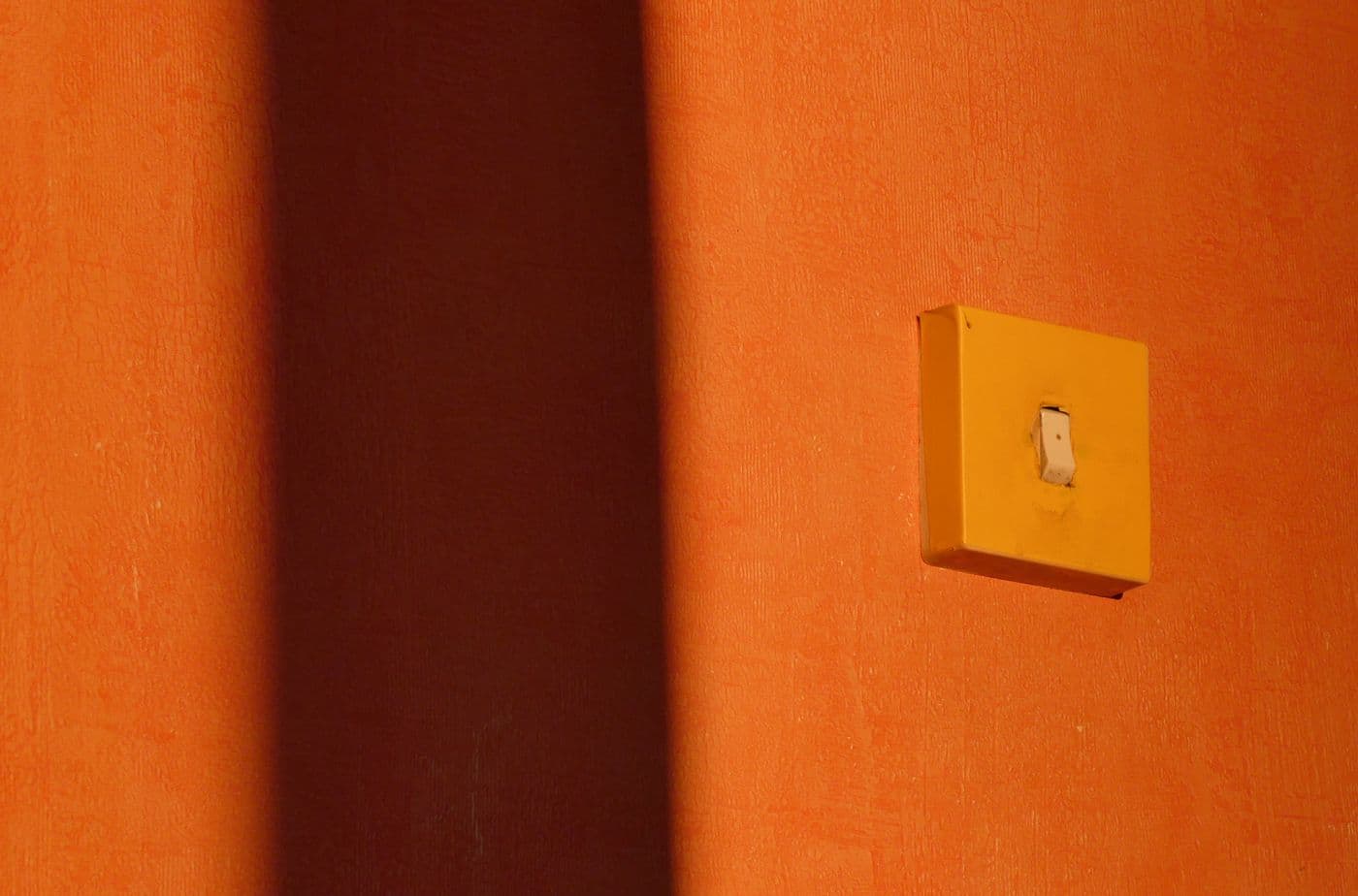
Sockets that no longer hold a plug, switches that spark or buzz, and old boards swapped for clean modular plates.
View Service
Humming, wobbling or slow-running fans diagnosed properly — capacitor, bearing, regulator or mounting — and repaired on site where possible.
View ServiceFurther reading
 Maintenance
7 min read
Most emergency call-outs had warning signs weeks earlier. A checklist is simply the habit of noticing them.
Read article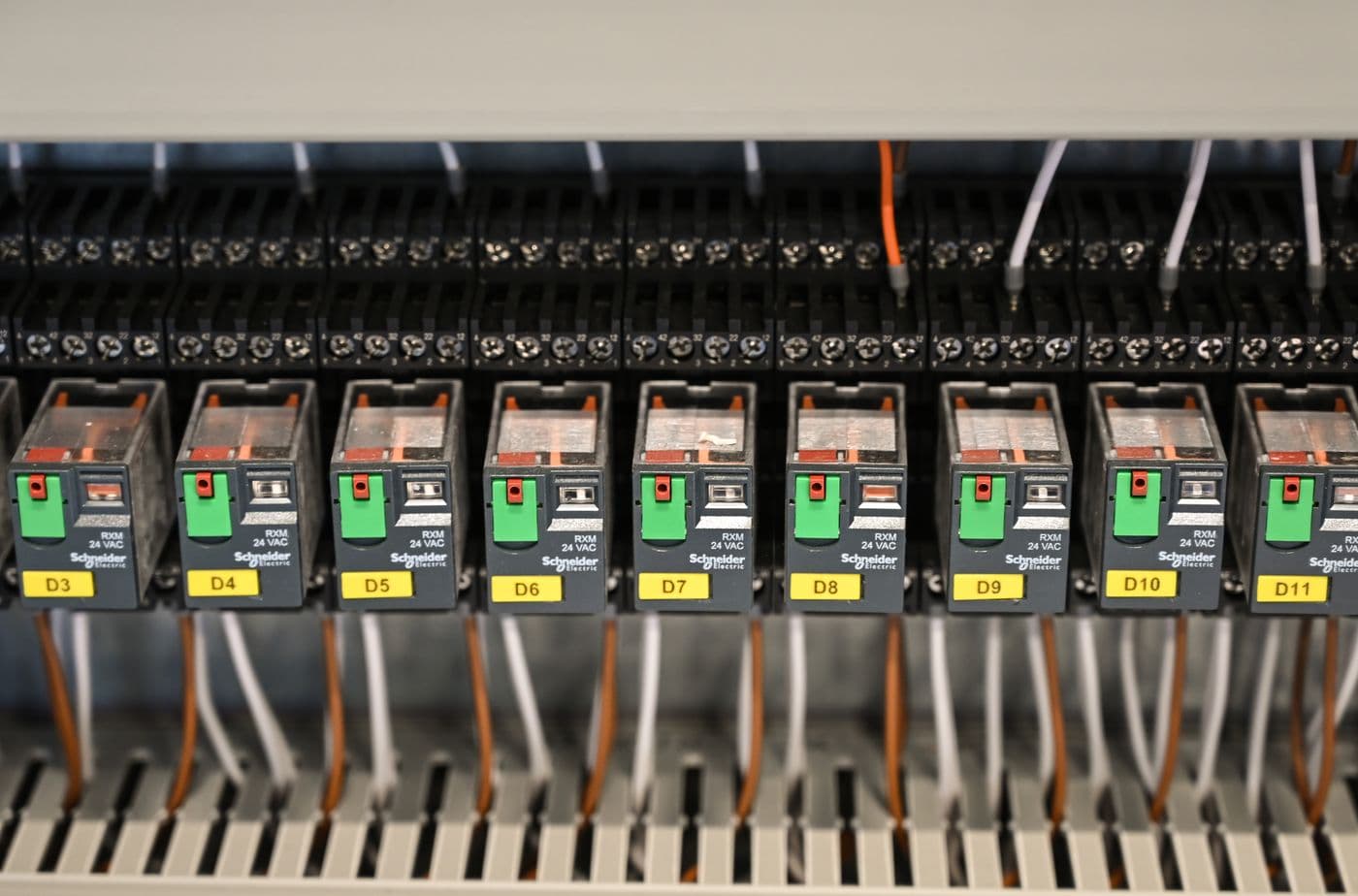 Repairs
7 min read
A breaker that trips is doing exactly what it was designed to do. The useful question is not how to stop it but what it is trying to tell you.
Read article Repairs
8 min read
After enough call-outs, the same handful of problems account for most of them. Here is what they are and why they keep happening.
Read articleMaintenance
Scheduled checks that prevent emergency calls. Call for anything urgent, or send a WhatsApp message with your area and we will come back with a time.
Open daily · 24/7 emergency call-outs · Gaurav Path Road, Pal, Surat