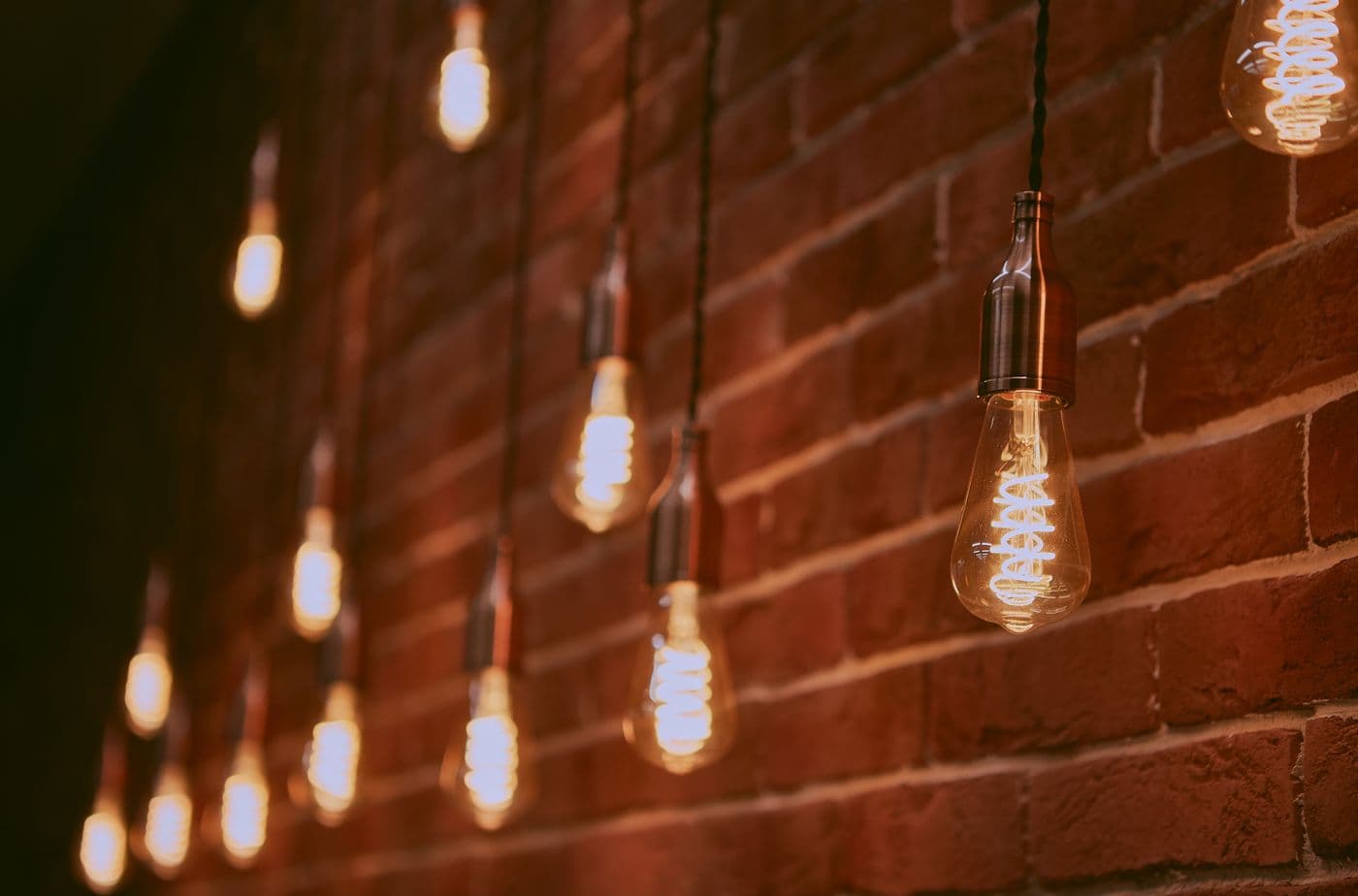
Everybody has switched to LED, and a great many people are quietly unhappy with the result. The light feels harsh, or oddly coloured, or it flickers on the dimmer, or half the fittings have failed within two years.
None of that is inherent to LED. It comes from buying on the wrong number. Here is what actually determines whether a light will look good in your room and still be working in five years.
Buy lumens, not watts
Watts measure how much power a fitting consumes. With filament bulbs that correlated closely enough with brightness to be useful shorthand. With LED it does not: efficiency varies enormously between manufacturers, and two 9-watt bulbs can differ by a third in actual light output.
The number that means something is lumens. As a rough conversion, an old 60W incandescent bulb produced around 800 lumens; a 40W tube light produced somewhere near 2,000. Match those and you will get the brightness you expect.
How much light does a room need?
- Bedroom: roughly 100–150 lumens per square metre, mostly indirect
- Living room: 150–250 per square metre, layered across several sources
- Kitchen: 250–350 per square metre, with focused light on the counter
- Study or work desk: 300–500 at the desk surface itself
- Bathroom: 200–300, with even light at the mirror rather than overhead only
Treat these as starting points. Dark walls, high ceilings and older eyes all push the requirement up.
Colour temperature changes everything
Measured in kelvin, this is the difference between light that feels warm and yellow and light that feels cool and blue. It has more effect on how a room feels than brightness does, and it is the thing people most often get wrong.
- 2700K — warm, close to old filament light. Bedrooms, living rooms, anywhere restful.
- 3000K — warm white. A good general choice for most living spaces.
- 4000K — neutral. Kitchens, bathrooms, study areas, workspaces.
- 5000K and above — cool, clinical. Garages, utility areas. Rarely right in a home.
One temperature per room
Mixing 3000K and 4000K fittings in the same space is instantly visible and always looks like a mistake. If you are replacing lights gradually, note the temperature of what you already have and match it.
CRI: whether colours look right
Colour Rendering Index describes how accurately a light source shows colours compared with daylight. Low-CRI lighting makes skin look grey, wood look flat and food look unappetising — and most people notice the effect without being able to name the cause.
Look for CRI 80 as a minimum, and CRI 90 or above in kitchens, bathrooms, dressing areas and anywhere you look at yourself or at food. It is the specification that most improves how a room feels for the least money, and it is the one most often left off the box entirely — which is itself informative.
The driver is what actually fails
LED chips last a very long time. The electronics that run them frequently do not. When we replace a failed LED fitting, the chip is almost always fine and the driver has died.
Two things kill drivers: heat and voltage. A driver sealed into a fitting with no route for heat to escape cooks itself slowly. And voltage fluctuation — a genuine factor in parts of Surat — destroys drivers built without a wide input range. This is precisely where cheap fittings save money and where you pay it back.
- Look for a stated wide input voltage range, ideally 90–270V
- Prefer fittings with some metal in the body — it is a heat path, not decoration
- Keep concealed drivers accessible; they will need replacing before the LEDs do
- If several lights in one room have failed within a year, suspect supply quality rather than luck
Dimming: check before you buy
Many LED fittings cannot be dimmed at all, and many that can will only work with certain dimmer types. Putting a non-dimmable fitting on a dimmer produces flicker, buzz, or a light that refuses to start reliably — and it shortens the driver's life.
If you want dimming, confirm the fitting is dimmable and find out which dimmer type its driver expects. Trailing-edge dimmers suit most modern LED drivers; older leading-edge dimmers designed for filament bulbs often do not. This is worth settling before installation rather than after.
Layer the light rather than maximising it
The most common lighting mistake in Indian homes is one very bright fitting in the centre of the ceiling. It produces even, flat, shadowless light that makes a room feel like an office.
Rooms feel better with two or three separately switched layers — general light for when you need to see, a softer layer for the evening, and task light where you actually do things. It uses less total power than one large fitting, and it makes a far bigger difference to how the room feels than any specification on a box.
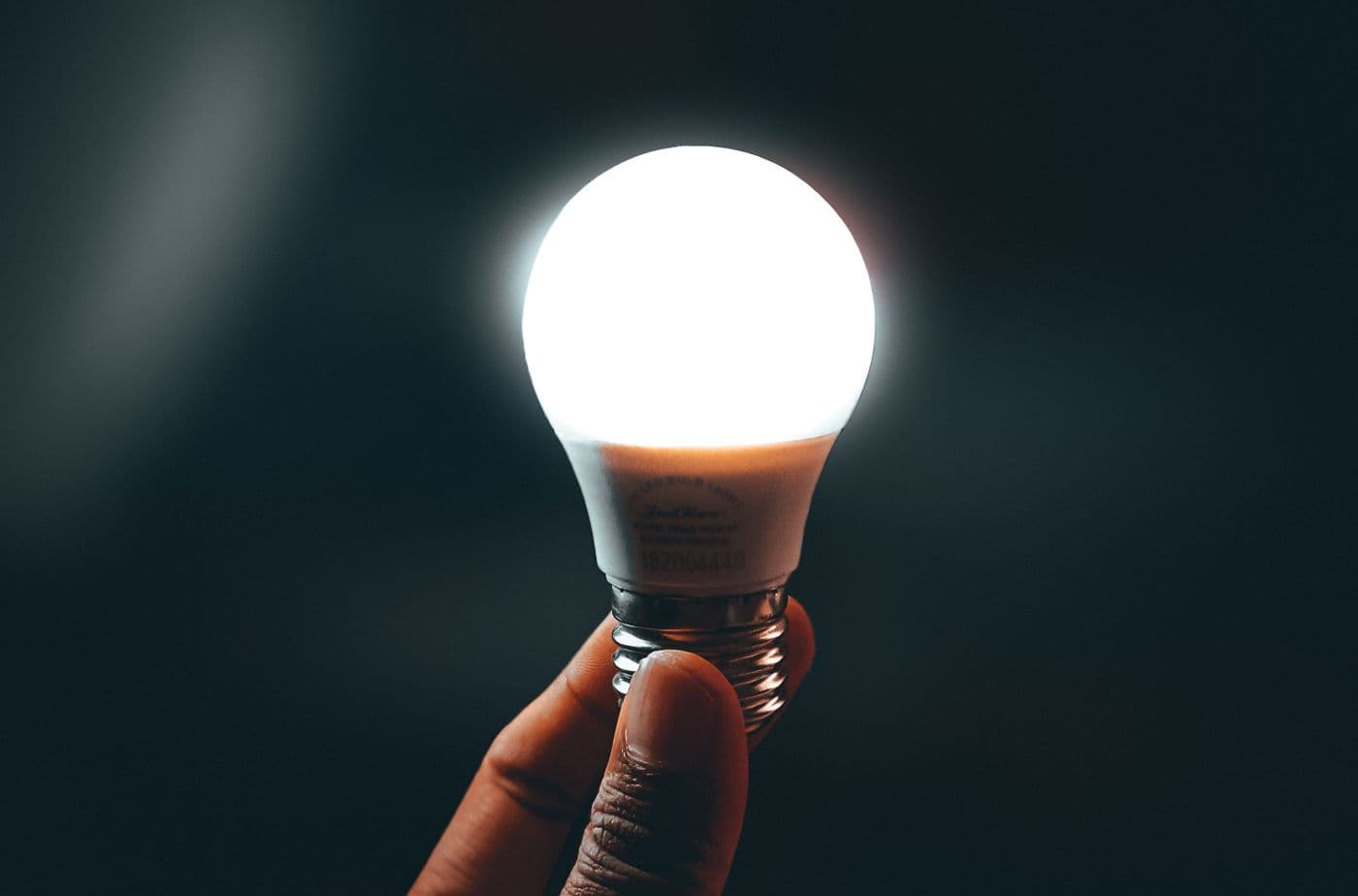
Related service
LED Light Installation
LED conversion, panel and strip installation, and dimmer matching across Pal, Adajan and Surat.
Quick answers
Why do my LED lights flicker when dimmed?
Nearly always a mismatch between the dimmer type and the LED driver. Changing to a dimmer suited to the driver usually fixes it completely.
Which colour temperature is best for an Indian home?
2700–3000K for bedrooms and living rooms, 4000K for kitchens, bathrooms and study areas. The critical rule is to keep one temperature consistent within each room.